OEM vs Aftermarket Generator Parts: What’s Actually Different

Every generator owner faces the same decision eventually: pay premium prices for a factory-branded part, or save money with an aftermarket alternative. The choice between OEM vs aftermarket generator parts is not just about cost. It is about warranty compliance, emissions certification, fitment precision, and long-term reliability. Pick the wrong option for the wrong component and you could void your warranty, fail an inspection, or end up with a part that lasts one season instead of five.
In this guide, we break down the real differences between OEM vs aftermarket generator parts. We cover what OEM actually means, how aftermarket parts are manufactured, which components demand genuine factory quality, and which ones work perfectly well as aftermarket alternatives. By the end, you will know exactly when to pay extra for the logo—and when to keep that money in your pocket without sacrificing performance.

What Are OEM Generator Parts?
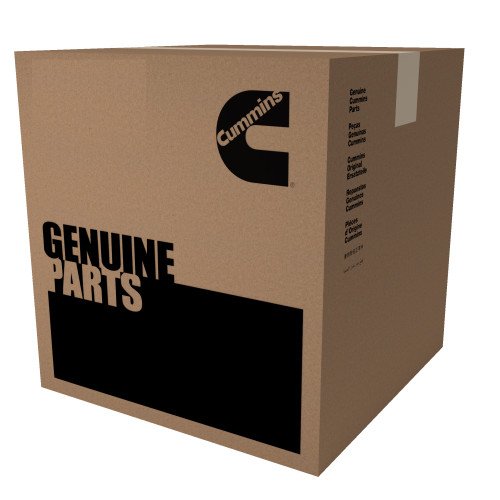
OEM stands for Original Equipment Manufacturer. An OEM generator part is made by the same company that built the original component for your generator, or by a supplier licensed by the generator brand. When you buy an OEM Generac oil filter, it comes in a Generac box with a Generac part number. It was built to the exact drawing, material spec, and tolerance that Generac engineers approved when the generator was designed.
Key characteristics of OEM parts:
- They carry the generator brand’s logo and packaging
- They match the original component down to the micron rating, thread pitch, and material composition
- They are backed by the generator manufacturer’s warranty
- They are sold through authorized dealers and factory-certified retailers
- They are priced at a premium because of branding and warranty support
What Are Aftermarket Generator Parts?
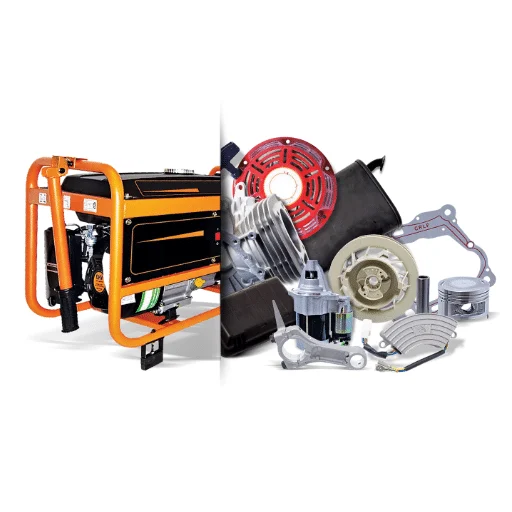
Aftermarket generator parts are produced by third-party manufacturers who reverse-engineer or license the design of the original component. These companies do not build generators themselves. They specialize in building replacement components that fit and function like the original, often at a lower price point.
At Universal Generator Parts, our UGP aftermarket line is engineered to match OEM dimensions, thread specs, and material ratings. The difference is the box. Instead of a Generac or Onan logo, you get a UGP label. The part inside fits the same, filters the same, and performs the same—but costs 20–40% less.
Key characteristics of quality aftermarket parts:
- They are built to fit specific generator models and serial numbers
- They use equivalent or identical materials (paper, foam, steel, rubber)
- They are tested for fitment and function before reaching the market
- They are not backed by the generator brand’s warranty, but by the aftermarket manufacturer’s guarantee
- They offer significant cost savings on consumable and non-critical components
Quality Comparison: Is There Really a Difference?
The honest answer: it depends on the part category. Not all OEM vs aftermarket generator parts are created equal. Some aftermarket parts are literally made on the same production line as OEM parts, then placed in a different box. Others are built to a lower standard using cheaper materials.
Here is how the two categories compare across common part types:
| Part Type | OEM Quality | Aftermarket Quality | Verdict |
|---|---|---|---|
| Air Filter | Exact pleat count, micron rating, and seal dimensions | Often identical materials and dimensions | Aftermarket is fine if cross-referenced correctly |
| Oil Filter | Factory-specified bypass pressure and filtration media | Varies widely; quality brands match OEM specs | Buy from a reputable aftermarket brand only |
| Spark Plug | Exact heat range and electrode material | NGK, Champion, and Autolite make equivalent plugs | Aftermarket is fine; match the heat range exactly |
| Control Board | Factory-programmed firmware, exact connector layout | Rare; most are refurbished OEM boards | OEM strongly recommended |
| Fuel Pump | Exact flow rate and pressure for the carburetor | Quality aftermarket pumps match OEM pressure specs | Aftermarket is acceptable; verify pressure rating |
| Carburetor | EPA-certified jetting and fuel mixture | Often lacks EPA certification; jetting may vary | OEM recommended for emissions compliance |
Warranty and the Magnuson-Moss Act
One of the biggest fears generator owners have is that using an aftermarket part will void their warranty. This is largely a myth—at least in the United States. The Magnuson-Moss Warranty Act, enforced by the Federal Trade Commission, prohibits manufacturers from voiding your warranty simply because you used an aftermarket part.
The law states that a manufacturer must prove the aftermarket part caused the damage before denying a warranty claim. If your engine fails because of a defective piston ring, the manufacturer cannot blame your aftermarket air filter unless they can demonstrate the filter caused the failure.
However, there are practical limits. If you install a non-EPA-certified aftermarket carburetor and the engine runs lean and burns a hole in the piston, the manufacturer has a valid case for denial. The key is using quality aftermarket parts that meet or exceed OEM specifications—not universal junk that “sort of fits.”
EPA Emissions and CARB Compliance
Here is where the OEM vs aftermarket generator parts debate gets serious. Small engines are regulated by the Environmental Protection Agency (EPA) under 40 CFR Part 1054. Carburetors, fuel injectors, catalytic converters, and evaporative emissions components must be certified as part of the engine’s emissions system.
OEM carburetors and fuel system components carry EPA certification. Most aftermarket carburetors sold on auction sites do not. If you replace an EPA-certified carburetor with an uncertified aftermarket unit, you are technically violating federal emissions law. More importantly, the engine may run outside its designed air-fuel ratio, causing overheating, carbon buildup, or premature failure.
For this reason, we recommend OEM or EPA-certified aftermarket parts for any component that affects emissions:
- Carburetors and carburetor jets
- Fuel injectors
- Evaporative emissions canisters and valves
- Catalytic converters (if equipped)
- Oxygen sensors
For maintenance items like air filters, oil filters, and spark plugs, emissions compliance is not a concern. Quality aftermarket options work perfectly.
When to Choose OEM Generator Parts
Certain situations demand genuine factory parts. Do not compromise on these components:
- Control boards and voltage regulators: These are programmed specifically for your generator model. An incompatible board can damage the alternator or produce dangerous voltage spikes.
- Carburetors on EPA-certified engines: As noted above, emissions compliance and safety matter.
- Engine internal components: Pistons, rings, bearings, and gaskets must match exact tolerances. Aftermarket engine internals often use softer metals or incorrect dimensions.
- Alternator rotors and stators: Winding specifications are precise. A poorly wound aftermarket stator can overheat and fail within months.
- When the generator is under warranty: While the Magnuson-Moss Act protects your rights, fighting a warranty denial is easier when every part has a factory part number.
When Aftermarket Generator Parts Make Sense
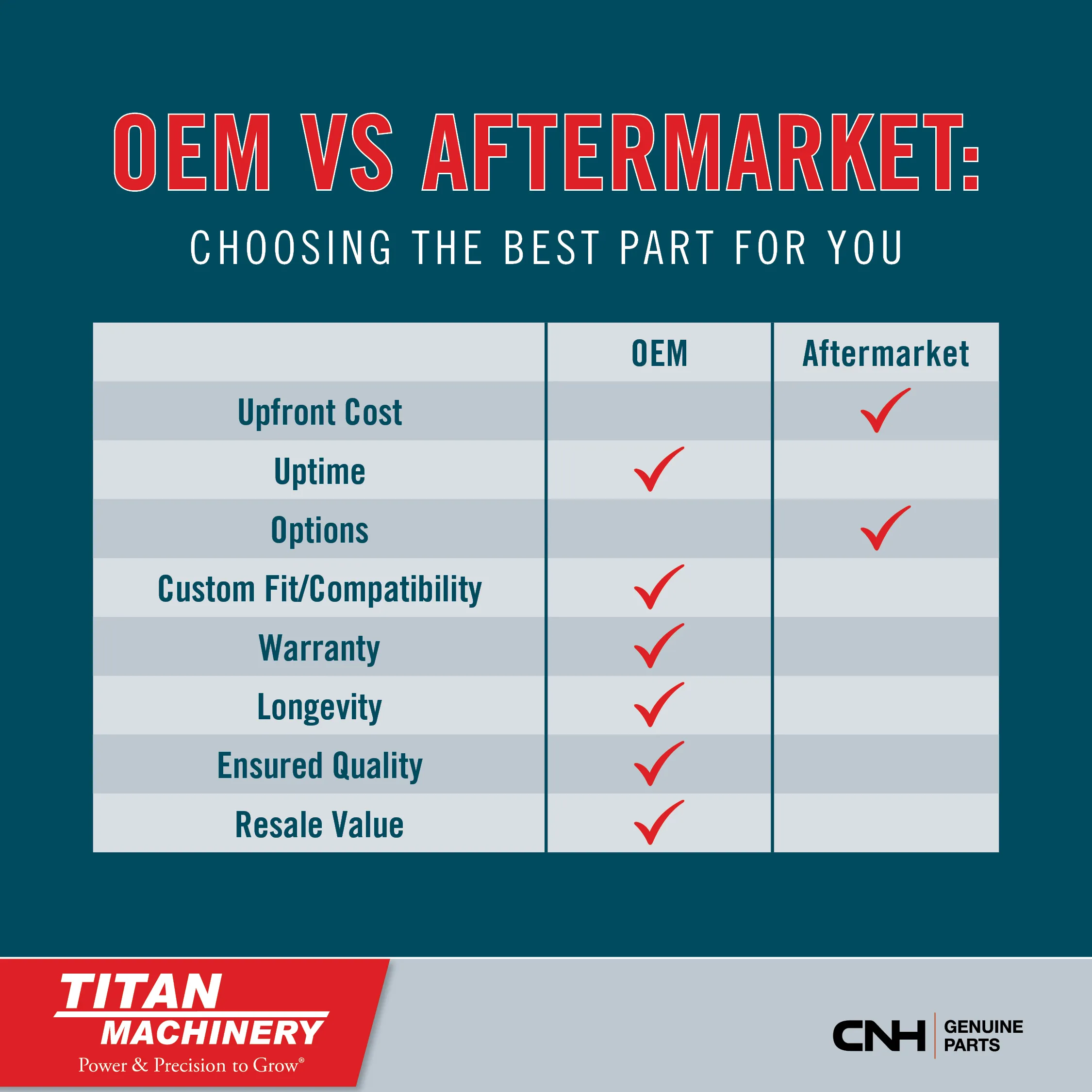
Aftermarket parts shine in routine maintenance and non-critical applications. There is no engineering reason to pay double for an air filter that uses the same paper and the same rubber seal as the OEM version.
These are the best candidates for quality aftermarket replacements:
- Air filters: A cross-referenced aftermarket filter uses identical pleat count and micron rating. The engine does not know the difference.
- Oil filters: Reputable aftermarket brands use the same filtration media and bypass valve pressure. Just avoid no-name filters.
- Spark plugs: NGK, Champion, and Denso make plugs that meet or exceed OEM specifications. Match the heat range and gap exactly.
- Fuel pumps: Quality aftermarket pumps match OEM flow rate and pressure. Verify the specs before ordering.
- Maintenance kits: Bundled aftermarket kits include the same oil, filters, and plugs as OEM kits at a lower price.
- Hardware and gaskets: Bolts, washers, O-rings, and gaskets are standardized. Aftermarket is fine if dimensions match.
At Universal Generator Parts, we clearly label which parts in our catalog are OEM and which are UGP aftermarket. Every aftermarket part is cross-referenced to the OEM part number it replaces, so you know exactly what you are getting.
Cost Breakdown: What You Actually Save
Let us talk numbers. Here is a realistic comparison of OEM vs aftermarket generator parts costs for a typical 20kW Generac Guardian annual service:
| Component | OEM Cost | Aftermarket Cost | Savings |
|---|---|---|---|
| Air Filter | $18–$24 | $12–$16 | 33% |
| Oil Filter | $14–$18 | $9–$12 | 36% |
| Spark Plugs (2) | $16–$20 | $10–$14 | 38% |
| Oil (2 qts synthetic) | $22–$28 | $16–$20 | 27% |
| Total Annual Service | $70–$90 | $47–$62 | 30–35% |
Over a 10-year generator lifespan, choosing quality aftermarket parts for routine maintenance saves $230–$280. That is real money. And since air filters, oil filters, and spark plugs are wear items that get replaced regardless of brand, the savings compound without any sacrifice in engine protection.
Frequently Asked Questions
Are aftermarket generator parts as good as OEM?
Quality aftermarket generator parts that are specifically cross-referenced to your model number can be just as good as OEM for maintenance items like filters and spark plugs. For critical components like control boards and carburetors, OEM is the safer choice due to programming precision and emissions compliance.
Will using aftermarket parts void my generator warranty?
No. Under the Magnuson-Moss Warranty Act, a manufacturer cannot void your warranty solely because you used an aftermarket part. They must prove the aftermarket part caused the failure. Keep your receipts and documentation.
What is the difference between OEM and genuine generator parts?
OEM and genuine are essentially the same thing in the generator world. Both terms refer to parts made by or for the original generator manufacturer. “Genuine” simply emphasizes that the part comes in factory packaging with the brand logo.
Should I buy OEM or aftermarket air filters for my generator?
Aftermarket air filters are perfectly fine if they are cross-referenced to your exact model. The filtration media and seal dimensions should match the OEM spec. At Universal Generator Parts, our UGP aftermarket air filters are built to the same micron rating and pleat count as the factory versions.
Are aftermarket carburetors legal for EPA-certified generators?
Most aftermarket carburetors sold for small engines are not EPA-certified. Installing an uncertified carburetor on an EPA-certified generator violates federal emissions regulations under 40 CFR Part 1054. For this reason, we recommend OEM carburetors or EPA-certified aftermarket replacements only.
Why are OEM generator parts so expensive?
OEM parts carry the cost of branding, warranty administration, dealer markup, and factory quality control. You are paying for certainty. Aftermarket parts eliminate the branding premium while maintaining equivalent quality on non-critical components.
Where can I buy both OEM and aftermarket generator parts?
At Universal Generator Parts, we stock both genuine OEM and UGP aftermarket parts for Generac, Cummins Onan, Briggs & Stratton, Kohler, and Champion generators. Every part is labeled by type and cross-referenced to your model number.
Make the Smart Choice
The debate over OEM vs aftermarket generator parts is not about which is always better. It is about which is better for the specific component you are replacing. Use OEM for control boards, carburetors, and engine internals where precision and compliance matter. Use quality aftermarket for air filters, oil filters, spark plugs, and maintenance kits where the specifications are standardized and the savings are real.
At Universal Generator Parts, we give you both options. Every product listing clearly shows whether the part is OEM or aftermarket, and every aftermarket part is backed by our fitment guarantee. You get the right part, the right price, and the confidence to keep your generator running for years.
Browse our full catalog of genuine and aftermarket generator parts, all matched to your model number.
Shop Generator Parts