
How to Winterize Portable Generator: A Step-by-Step Guide

Knowing how to winterize portable generator units is the difference between a reliable first pull in spring and a repair bill you never saw coming. When temperatures drop, gasoline degrades, oil thickens, and batteries lose charge. Moisture creeps into every crack, and rodents look for warm places to nest. If you park your generator in the garage without proper prep, you are gambling with your backup power. In this guide, you will learn exactly how to winterize portable generator engines, fuel systems, and batteries so your unit fires up instantly when the next ice storm hits.
Winterizing is not complicated, but it is specific. Each step protects a different system, and skipping even one can create a failure point. By the end of this article, you will have a clear checklist, a list of supplies, and the confidence to protect your investment through the coldest months.

Why You Need to Winterize Portable Generator Units
A portable generator is a seasonal tool for many owners. Campers, contractors, and homeowners who only need backup power during storm season often store their units for three to six months. During that idle time, chemistry keeps working even when the engine does not. Ethanol-blended fuel absorbs moisture from the air, forming gums and varnish that clog carburetor jets. Motor oil traps combustion acids that etch bearing surfaces. Battery plates sulfate when left discharged, and rubber fuel lines crack in dry, cold air.
When you winterize portable generator systems correctly, you neutralize each of these threats. Fresh oil removes acids, stabilized fuel resists degradation, and a stored battery retains its charge. Furthermore, a clean, covered unit is far less attractive to mice and insects looking for a winter home. The U.S. Consumer Product Safety Commission emphasizes that poorly maintained portable generators are more likely to fail during emergencies, leaving families without heat or medical equipment when they need it most.
What Happens If You Skip Winterizing Your Portable Generator
Many owners simply turn the fuel valve off and roll the generator into a corner. This approach almost guarantees problems. Here is what you risk by skipping proper winterization.
- Carburetor varnish: Old fuel evaporates and leaves behind sticky residue that blocks jets and needles. Cleaning a gummed carburetor takes hours and often requires a full rebuild kit.
- Corroded fuel tank: Water separates from ethanol and pools at the bottom of the tank, causing rust. Rust flakes travel into the fuel system and destroy the carburetor.
- Acidic oil: Used oil contains acids and moisture from combustion. Over winter, these compounds etch bearings and create sludge that blocks oil passages.
- Dead battery: A battery left connected slowly discharges. Once voltage drops below 12.4 volts, sulfation begins. Deeply sulfated batteries rarely recover.
- Rodent damage: Mice chew wiring, nest in air filter boxes, and clog exhaust outlets. A single nest can cause overheating or an electrical short.
Supplies You Need to Winterize Portable Generator Engines
Gather everything before you start. Running to the store halfway through the process increases the chance you will skip a step.
| Supply | Purpose | Notes |
|---|---|---|
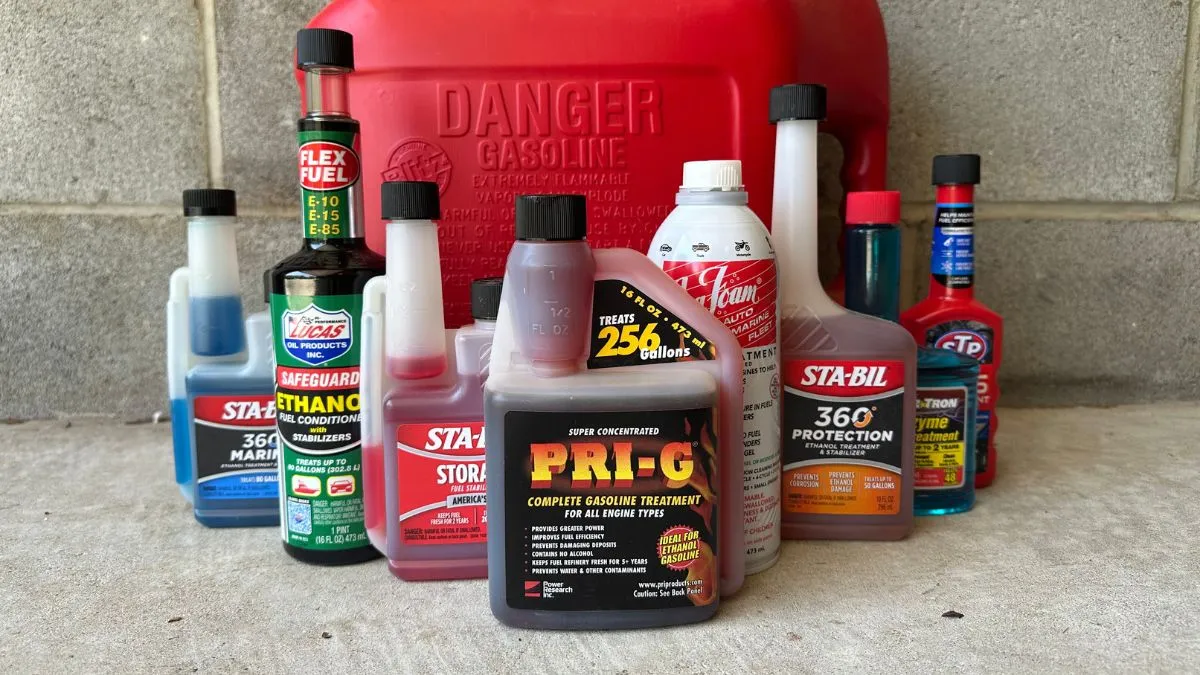
| Fuel stabilizer | Prevents fuel oxidation and varnish | Use ethanol-specific formula; treats up to 24 months |
| Fresh engine oil | Removes acids and contaminants | Match viscosity to your manual (usually SAE 30 or 10W-30) |
| Oil filter (if equipped) | Traps particles in new oil | Replace with every oil change |
| Air filter | Ensures clean startup air next season | Clean foam; replace paper elements |
| Spark plug | Provides strong ignition after storage | Gap to 0.030 inch per manufacturer spec |
| Battery tender | Maintains charge without overcharging | Smart chargers shut off automatically |
| Cover or tarp | Blocks dust and moisture | Breathable fabric prevents condensation |
How to Winterize a Portable Generator in 7 Steps
Follow these steps in order. Each one builds on the last, creating a complete protective barrier against winter damage.
Step 1: Run the Engine and Add Fuel Stabilizer
Start with a nearly full tank of fresh gasoline. Pour the recommended dose of fuel stabilizer into the tank. Start the generator and let it run for 10 to 15 minutes. This circulates the treated fuel through the carburetor and fuel lines, coating internal surfaces with protective chemistry. Do not skip this step. Adding stabilizer to a static tank does nothing for the fuel already inside the carburetor bowl.
Step 2: Change the Oil
While the engine is still warm, drain the old oil completely. Warm oil flows faster and carries more suspended particles out with it. Replace the oil filter if your generator has one. Refill with fresh oil to the correct level on the dipstick. Used oil contains acids that etch metal over time. Fresh oil is clean chemistry that protects bearings, pistons, and camshafts all winter long.
Step 3: Clean or Replace the Air Filter
Remove the air filter cover. If you have a foam element, wash it in warm soapy water, rinse thoroughly, and let it dry. Soak it in clean engine oil and squeeze out the excess. If you have a paper element, inspect it against a light source. If it is dirty or torn, install a new one. A clean air filter prevents debris from entering the cylinder during spring startup. You can find the correct replacement at ugpus.com.
Step 4: Remove or Disconnect the Battery
If your portable generator has an electric start battery, disconnect the negative cable first, then the positive. Remove the battery from the unit and store it in a cool, dry place off the concrete floor. Concrete can drain charge over time, so place the battery on a wooden block or shelf. Connect a smart battery tender to maintain a full charge without overcharging. A maintained battery will last three to five years, while a neglected one may fail after a single winter.
Step 5: Drain the Fuel System (Optional but Recommended)
If you prefer not to store fuel in the tank, shut the fuel valve and run the engine until it stalls. This empties the carburetor bowl. Then, remove the bowl drain screw and let the remaining fuel drip into a safe container. Be aware that an empty steel tank can rust from condensation. If you drain the tank, spray a light fogging oil inside to coat the metal surfaces. For most owners, leaving stabilized fuel in a full tank is the safer choice. A full tank has less air space, which means less moisture can condense.
Step 6: Inspect and Protect
Check all fuel lines for cracks or soft spots. Replace any line that feels brittle or shows discoloration. Inspect the spark plug. If the electrode is worn or the insulator is cracked, install a new one. Apply a thin coat of dielectric grease to the spark plug boot to prevent moisture corrosion. Spray a light coating of fogging oil or WD-40 into the cylinder through the spark plug hole, then pull the starter cord slowly two or three times to distribute it. This prevents cylinder wall rust.
Step 7: Store in a Dry, Covered Location
Move the generator to a detached shed, garage, or covered porch. Place it on a pallet or shelf to keep it off damp concrete. Cover it with a breathable generator cover or tarp. Avoid plastic sheeting that traps moisture. Stuff steel wool into the exhaust outlet and air intake to block rodents, but attach a bright tag reminding you to remove them before startup. Finally, write the winterization date and all service details on a piece of tape stuck to the handle.
Spring Startup Checklist After You Winterize Portable Generator Units
When warm weather returns, do not just add gas and yank the cord. A quick inspection prevents surprises.
- Remove any steel wool or covers from the exhaust and intake.
- Check the oil level and top off if needed.
- Inspect the fuel tank for water or sediment. If the fuel smells like varnish, drain it and refill with fresh gas.
- Reconnect the battery and verify voltage above 12.6 volts.
- Check the air filter for nests or debris.
- Start the generator and let it run for 15 minutes under no load. Listen for smooth idle and watch for leaks.
- Test output voltage with a multimeter to confirm the alternator is healthy.
If you followed the steps above to winterize portable generator systems correctly, the spring startup should take less than 20 minutes. The engine should start within two or three pulls, run smoothly, and produce stable voltage.
Frequently Asked Questions
Do I really need to winterize portable generator units if I store them in a garage?
Yes. Even climate-controlled garages experience temperature swings that cause condensation. Fuel degrades and batteries discharge regardless of indoor storage. Winterization protects the internal systems, not just the exterior.
Can I use seafoam to winterize portable generator fuel systems?
Seafoam works as a fuel system cleaner and short-term stabilizer, but dedicated fuel stabilizers like STA-BIL or PRI-G offer longer protection, up to 24 months. For winter storage, a purpose-built stabilizer is the better choice.
Should I drain the gas or leave it in the tank when I winterize portable generator engines?
Most manufacturers recommend leaving stabilized fuel in a full tank. A full tank minimizes air space and condensation. If you drain the tank, fog the interior with oil to prevent rust.
How often should I start my generator during winter storage?
If you winterize portable generator units properly, you do not need to start them monthly. In fact, short idle runs without a load can cause carbon buildup and moisture accumulation in the exhaust. A proper winterization eliminates the need for mid-season exercise.
What happens if I forget to add fuel stabilizer?
Untreated ethanol fuel begins to degrade within 30 days. By spring, the carburetor will likely be gummed with varnish. You will need to disassemble and clean the carburetor, or replace it entirely.
Can I store my generator battery on a concrete floor?
Modern sealed batteries are less sensitive than old flooded cells, but temperature transfer from concrete can still accelerate discharge. Store the battery on wood or plastic and use a battery tender for best results.
Where can I buy the parts and supplies to winterize portable generator units?
Universal Generator Parts carries everything you need, including maintenance kits, spark plugs, air filters, and oil. Enter your model number to find exact-fit parts.
Protect Your Investment: Winterize Portable Generator Units the Right Way
Learning how to winterize portable generator engines is one of the highest-return maintenance tasks you can perform. It takes less than an hour, costs under $30 in supplies, and can prevent hundreds of dollars in repairs. Stabilize the fuel, change the oil, protect the cylinder, store the battery, and cover the unit. These five actions create a protective cocoon that keeps your generator ready for instant duty.
Do not let winter destroy your backup power. Take an afternoon to winterize portable generator systems now, and you will sleep soundly knowing that when the ice storm hits, your generator will start on the first pull. For all the parts, kits, and supplies you need, visit ugpus.com and enter your model number today.
Find maintenance kits, spark plugs, air filters, oil, and fuel stabilizers for every portable generator model.
Browse Winterization Kits