
Generator Maintenance Schedule: How Often Should You Service Your Generator?

A solid generator maintenance schedule is the single most important factor in keeping your backup power ready when you need it most. Whether you own a portable unit for camping or a standby generator guarding your home, regular service prevents costly breakdowns and extends engine life. Most manufacturers void warranties when owners skip scheduled care, so building a reliable generator maintenance schedule should be your first priority after installation.
Many homeowners wonder exactly how often to change oil, replace filters, or inspect spark plugs. The answer depends on your generator type, runtime hours, and operating conditions. However, every owner can follow a simple generator maintenance checklist broken into weekly, monthly, seasonal, and annual tasks. At Universal Generator Parts, we stock OEM and aftermarket generator maintenance kits, air filters, and spark plugs for Generac, Cummins Onan, Briggs & Stratton, Kohler, and Champion units.

Why You Need a Generator Maintenance Schedule
A generator maintenance schedule protects your investment and your safety. Generators sit idle for months, then suddenly run for hours during storms. Without regular care, fuel degrades, oil breaks down, and batteries lose charge. Consequently, the unit may fail exactly when you need it.
Furthermore, a documented home generator service history helps you track maintenance. When you sell your home or file a warranty claim, proof of regular standby generator maintenance matters. The EPA emphasizes generator safety and recommends routine inspections to prevent carbon monoxide hazards. A clear generator maintenance schedule keeps you compliant and confident. Finally, preventive care costs far less than emergency repairs. A $30 oil change and $15 air filter can prevent a $500 service call or a $2,000 engine rebuild.
Weekly Generator Maintenance Schedule Tasks
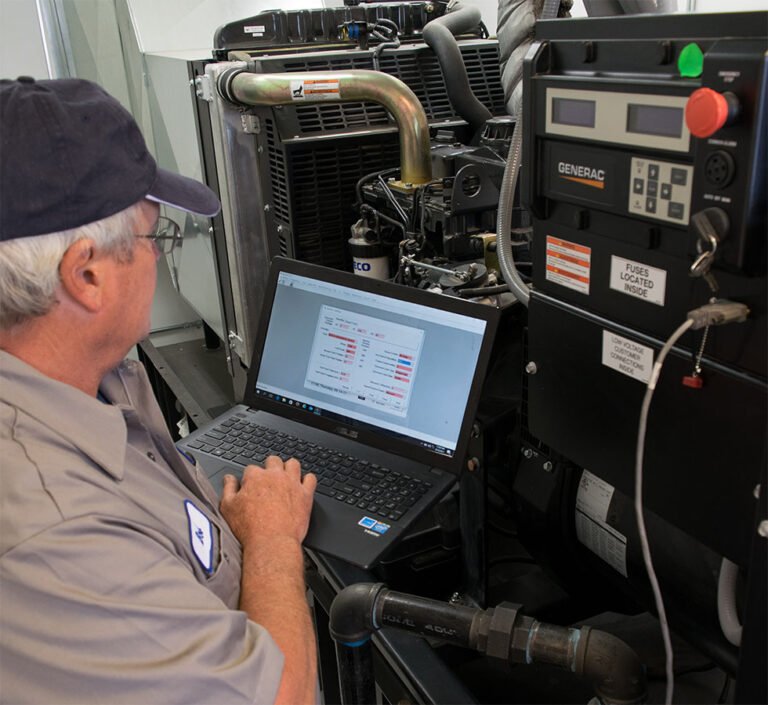
Your weekly generator maintenance schedule is quick but essential. These checks take under ten minutes and catch problems early. First, walk around the unit and look for leaks, corrosion, or pest damage. Next, check the fuel level and ensure the tank is at least half full. For standby units, verify that the automatic transfer switch shows “ready.”
Then, start the generator and let it run for five minutes. Listen for unusual knocking, rattling, or smoking. Afterward, check the oil level with the dipstick while the engine is warm. In addition, inspect battery terminals for corrosion. Clean them with a wire brush if you see white or green buildup. Tighten loose connections and clear enclosure vents of leaves or debris. These small steps keep your generator maintenance checklist on track.
Monthly Generator Maintenance Schedule Checklist
The monthly generator maintenance schedule goes deeper than weekly checks. Plan about thirty minutes once a month. Begin by checking the coolant level on liquid-cooled models. Next, inspect the air filter. Hold it up to a light source; if you cannot see through it, replace it. Dirty air filters choke the engine and increase fuel consumption. You can find the correct replacement air filter at Universal Generator Parts.
After that, examine the spark plug. Remove it with a socket wrench and look at the electrode tip. A light tan color means healthy combustion. Black carbon buildup signals a rich fuel mixture, while white ash indicates overheating. Replace the plug if it shows wear or has exceeded the hour limit in your manual. Most plugs need changing every 100 to 300 hours. Moreover, test the battery voltage with a multimeter. A healthy 12-volt battery should read 12.6 to 12.8 volts when off. Finally, run the generator under load for fifteen minutes to verify the voltage regulator and governor.
Seasonal Generator Maintenance Schedule (Every 6 Months)
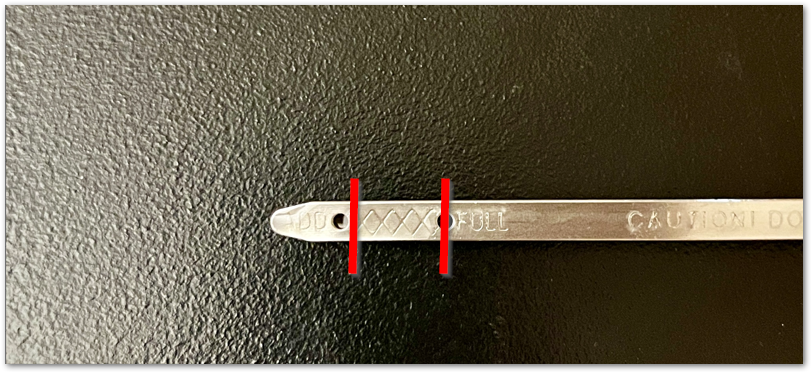
A seasonal generator maintenance schedule bridges the gap between monthly checks and annual overhauls. Perform these tasks every spring and fall, or after every 100 hours of runtime. Start by changing the engine oil and oil filter. Old oil loses viscosity and accumulates metal particles. Use the weight specified in your manual, typically 10W-30 for air-cooled engines. Drain the oil while warm so contaminants flow out.
Next, replace the fuel filter if your model has one. For portable generators, drain old gasoline and add fresh fuel treated with stabilizer. Gasoline degrades after thirty days, forming varnish that clogs carburetors. The OSHA standby power guidelines stress fresh fuel for emergency readiness. Additionally, inspect the exhaust system for cracks or loose clamps. Carbon monoxide leaks are deadly, so this step is critical. Lastly, clean cooling fins and fan blades with compressed air to prevent overheating.
Annual Deep Service & Generator Tune Up
The annual generator maintenance schedule is the most thorough service of the year. Dedicate two to three hours, or hire a certified technician for standby systems. First, perform a complete fluid exchange. Change the oil, oil filter, coolant, and fuel filter. Contaminants build up over time, and annual replacement ensures peak performance. Next, replace the spark plugs, air filter, and pre-cleaner if equipped.
Then, inspect the electrical system. Check wiring for chafing, melting, or rodent damage. Tighten terminal screws on the battery, starter, and alternator. Test the automatic transfer switch by simulating a power outage. The generator should start within ten seconds and transfer load smoothly. If it hesitates, the control board or voltage regulator may need attention. Furthermore, check valve clearance on air-cooled engines. Most manufacturers specify 0.004 to 0.006 inches. Use a feeler gauge and adjust as needed.
Generator Service Intervals by Brand
Your generator maintenance schedule varies by manufacturer. Always consult your owner manual first, but these guidelines apply to popular brands.
| Brand | Oil Change | Spark Plug | Air Filter |
|---|---|---|---|
| Generac | 100 hours or 1 year | 100 hours | 100 hours |
| Kohler | 150 hours or 1 year | 150 hours | 150 hours |
| Briggs & Stratton | 50 hours or 1 year | 100 hours | 50 hours |
| Cummins Onan | 150 hours or 1 year | 250 hours | 250 hours |
| Champion | 100 hours or 1 year | 100 hours | 100 hours |
As shown above, Briggs & Stratton requires the most frequent oil changes, while Cummins Onan allows longer intervals. Your generator oil change frequency should reflect these differences. The Generac maintenance support page offers model-specific schedules and videos. Similarly, Kohler, Cummins, and Champion publish detailed manuals online.
Essential Parts for Your Generator Maintenance Schedule
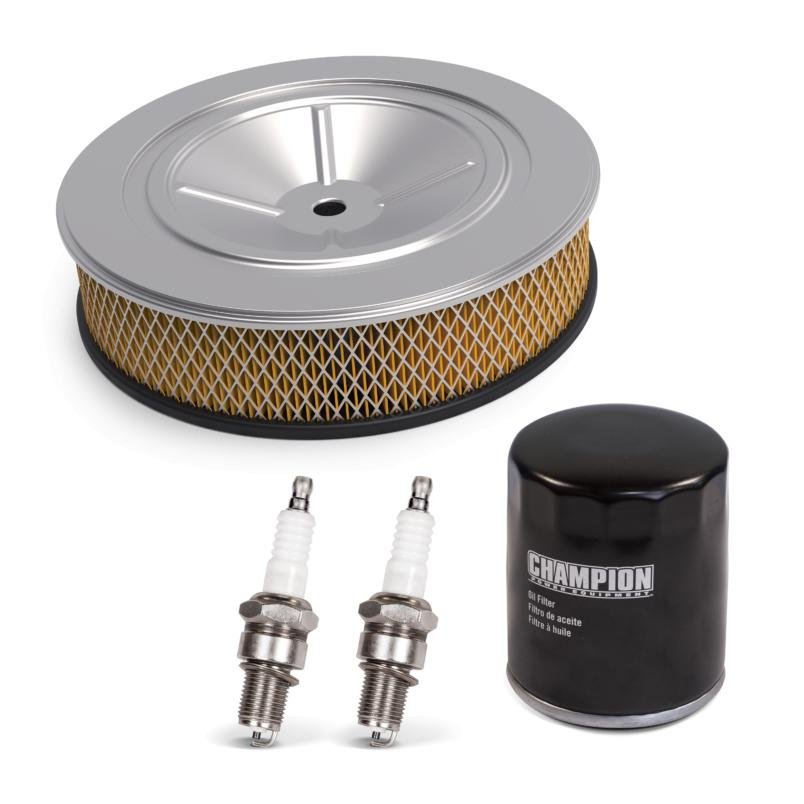
Stocking parts for your generator maintenance schedule saves time and money. When a storm is approaching, you do not want to hunt for a spark plug or air filter. Instead, keep a maintenance kit on hand. The core items include engine oil, oil filters, air filters, spark plugs, fuel filters, and a replacement battery. For liquid-cooled models, add coolant and radiator hoses. For standby units, keep a spare transfer switch fuse and control board battery.
Universal Generator Parts carries maintenance kits tailored to each major brand. When ordering, verify the model and spec number. Generac uses model numbers like 22kW, while Kohler uses codes like 14RESAL. Briggs & Stratton engines have a spec number stamped on the valve cover. Using the wrong filter can damage the engine or void your warranty.
Warning Signs to Adjust Your Generator Maintenance Schedule
Sometimes your generator maintenance schedule needs to accelerate. If you notice any of these signs, service the unit immediately. First, hard starting or extended cranking indicates weak spark, low compression, or fuel problems. Check the spark plug, fuel filter, and battery. Second, blue or black exhaust smoke signals oil burning or rich fuel mixture. Blue smoke means worn rings or valve seals, while black smoke points to a clogged air filter. Third, voltage fluctuations under load suggest a failing voltage regulator.
Additionally, unusual noises such as knocking, grinding, or squealing demand immediate shutdown. Knocking may mean piston damage. Grinding often comes from the starter motor. Squealing indicates a loose drive belt. Finally, if your generator runs in extreme heat or dust, shorten every interval by twenty-five percent. For example, switch from 100-hour to 75-hour oil changes during a busy hurricane season. Flexibility keeps your portable generator care routine effective.
Frequently Asked Questions
How often should I change the oil in my generator?
Most manufacturers recommend every 50 to 150 hours, or at least once per year. Briggs & Stratton engines need changes every 50 hours, while Kohler and Cummins Onan allow up to 150 hours. Always follow your owner manual as part of your generator maintenance schedule.
Can I do generator maintenance myself?
Homeowners can handle most routine tasks on portable generators, including oil changes and filter replacements. Standby generators may require a certified technician for warranty compliance. However, a well-planned generator maintenance checklist lets you tackle the basics and leave complex work to pros.
What happens if I skip my generator maintenance schedule?
Neglect leads to hard starting, reduced power, fuel clogs, and engine failure. A poorly maintained generator can also produce dangerous carbon monoxide. Skipping service voids most manufacturer warranties.
How do I know which maintenance kit fits my generator?
Match the kit to your exact model and spec number. We list kits by brand on our maintenance kits page. Send us your model number and we will confirm the correct parts.
Should I run my generator during maintenance?
Yes, but only for brief tests. Run the unit for five to fifteen minutes to verify operation after service. Never perform hands-on work while the engine is running. Let it cool before changing oil or removing the spark plug.
How long does a full annual service take?
A thorough annual generator tune up takes two to three hours for most homeowners. This includes oil and filter changes, spark plug replacement, air filter swap, coolant check, battery test, and a load test. Technicians may complete the same work in ninety minutes.
Do standby generators need different maintenance than portable units?
Standby generators share core tasks but add transfer switch testing, enclosure inspection, and battery charger verification. They also use larger oil filters and often require synthetic oil. Adjust your backup power maintenance based on unit type.
Conclusion: Keep Your Backup Power Ready With a Generator Maintenance Schedule
Sticking to a generator maintenance schedule is the best way to ensure reliable backup power. Weekly visual checks, monthly filter inspections, seasonal oil changes, and annual deep service form a complete care routine. By following these generator service intervals, you extend engine life, maintain warranty coverage, and avoid mid-outage failures.
Remember, every brand has different requirements. Generac, Kohler, Briggs & Stratton, Cummins Onan, and Champion publish model-specific intervals in their owner manuals. Use those as your primary reference, and treat this guide as a practical framework for home generator service.
When you need parts, Universal Generator Parts has you covered. We stock OEM and aftermarket maintenance kits, air filters, spark plugs, and batteries for every major brand. Order today and keep your generator maintenance schedule on track.
Shop maintenance kits, filters, and spark plugs for every major brand at Universal Generator Parts.
Shop Maintenance Kits Now